


Your trusted home service experts
Sewer Backup Causes and Prevention
A sewer backup is one of the most stressful plumbing problems a homeowner can run into.
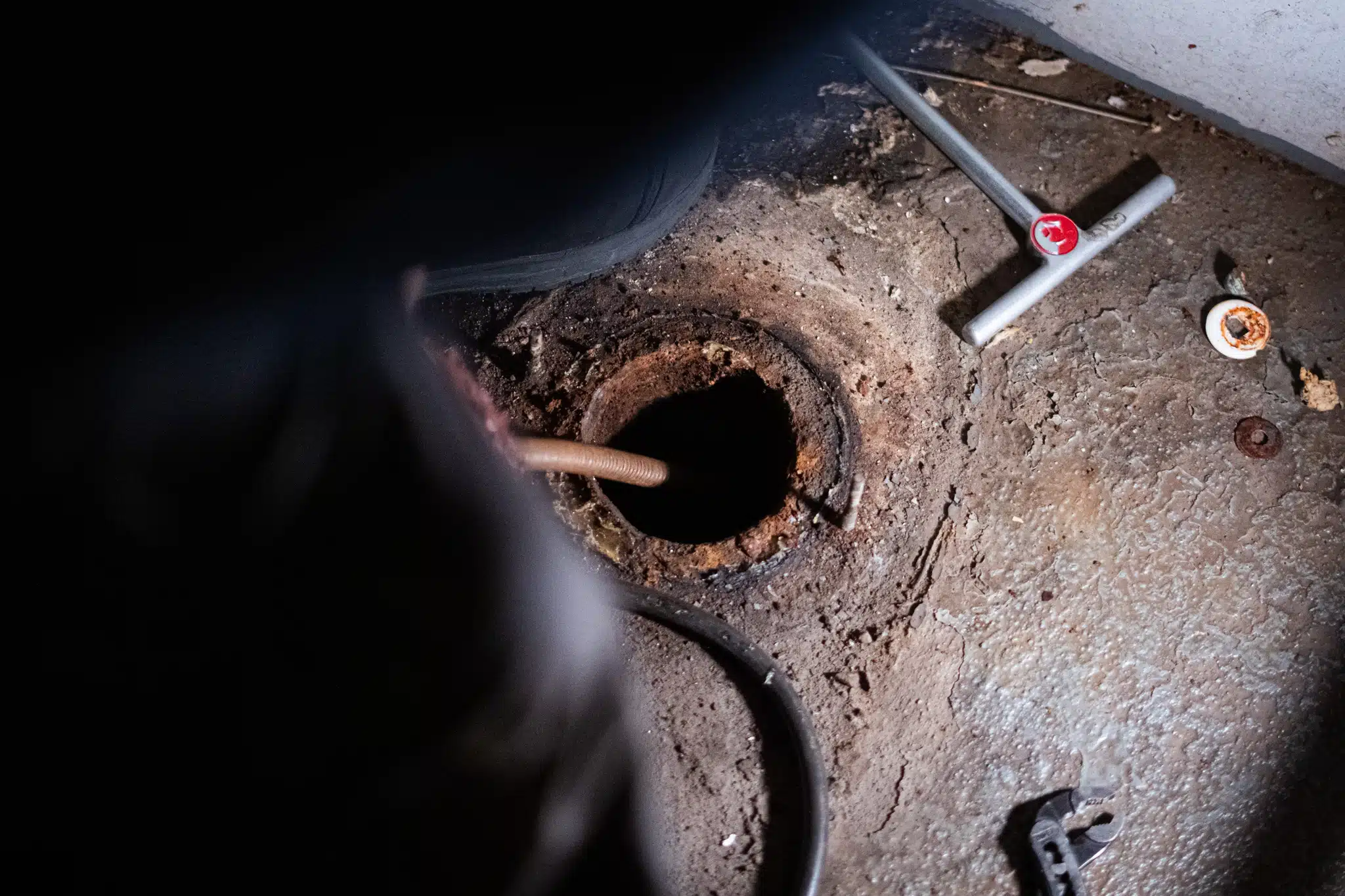
When wastewater can no longer flow out of your home, it pushes back in through floor drains, toilets, tubs, and showers, and damage can spread quickly if it isn’t addressed. The good news is that most sewer backups are preventable, and the warning signs almost always show up before things get serious.
This guide covers what causes a sewer backup, how to spot one early, how to prevent one, what repairs cost, who is responsible, and how homeowners’ insurance handles the damage. Blue Sky has served Front Range homeowners for over 80 years, and the guidance below draws on four generations of Lanyon family experience working on Denver-area sewer systems.
What Is a Sewer Backup?
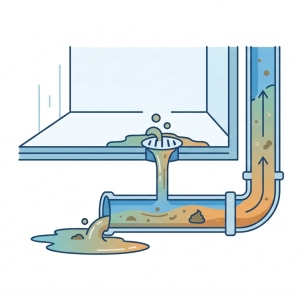
A sewer backup is the reverse flow of wastewater from the main sewer line back into a home through plumbing fixtures or floor drains.
Unlike a localized clog that affects only one fixture, a backup indicates the entire drainage system has lost flow. A sewer line backup is a blockage in the main line that carries waste from the entire home out to the city sewer.
Every home connects to the municipal sewer through a single pipe called the sewer lateral, which runs from your foundation, under your yard, to the property line where it joins the city’s main sewer.
In most Colorado municipalities, that lateral is your responsibility all the way to the connection point.[1]
When the lateral or the city main is blocked, everything upstream backs up at once, creating serious health hazards and rapid property damage to drywall, flooring, and electrical components.
Warning Signs of a Sewer Backup
The earliest signs of a sewer backup include:
- slow drains throughout the home
- gurgling sounds from toilets
- persistent sewage odors
- water around the basement floor drain
- multiple fixtures backing up at once
- sewer gas odors near floor drains or along the sewer line outside
- a toilet that flushes weakly with no visible clog.
Basement floor drain backups are especially telling because the floor drain is typically the lowest point in your plumbing, so wastewater rises through it first. Outside, look for patches of unusually green grass or soft, sunken spots above the lateral, which can indicate a leaking or broken sewer pipe.
Common Causes of a Sewer Backup
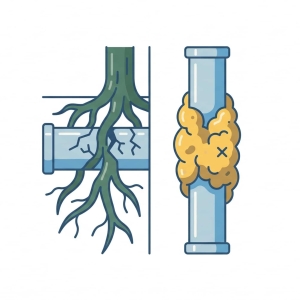
The most common causes of a sewer backup are[2]:
- tree root intrusion
- grease buildup
- flushed items that don’t break down
- a main sewer line clog from accumulated debris, aging or collapsed pipes
- heavy rainfall that overwhelms the city’s sewer system
- a failed sewage ejector pump in homes with below-grade fixtures
Most causes are preventable with regular maintenance.
| Issue Type | Description |
|---|---|
| Tree Roots in Sewer Line | Tree roots in the sewer line are the leading cause of residential sewer backups, especially in older neighborhoods where clay or cast-iron laterals run under mature trees. Roots enter through hairline cracks or degraded joints, then trap toilet paper, grease, and solids until the line blocks completely. |
| Improper Disposal of Grease and Oils | Grease, fats, and oils are the second-leading cause, as bacon fat, cooking oil, and meat drippings cool and harden inside the pipe, narrowing its diameter over time. Flushable wipes, paper towels, and feminine products compound the problem because they don’t dissolve like toilet paper. |
| Storm Flooding and Rapid Snowmelt | Heavy storms or rapid snowmelt can surcharge the city sewer main, pushing wastewater back into laterals connected to it. A backwater valve is the single most effective protection against this scenario. |
| Failed Ejector Pump | In homes with a basement bathroom or laundry that sits below the main sewer line, a sewage ejector pump lifts wastewater and solids up to the main line so they can drain out. When that ejector pump or its float switch fails, sewage backs up into those below-grade fixtures quickly. |
How to Prevent a Sewer Backup
Preventing a sewer backup comes down to three habits: control what goes down the drain, maintain the sewer line with regular inspection and cleaning, and install protective equipment in your home. Most backups are preventable with annual maintenance and a few simple homeowner practices.
- Never pour grease, fats, or cooking oils down the kitchen sink. Cooled fats solidify and can backup pipes.
- Never flush any products other than toilet paper down the toilet. Even products labeled as “flushable” do not break down at the same rate and can clog the system.
- Avoid planting deep-rooted trees like willow, silver maple, and cottonwood within 10 feet of the sewer lateral. Additionally, trim tree roots, if necessary, to keep growth away from wastewater pipes.
- Schedule professional drain cleaning every 18 to 24 months and a sewer camera inspection every 2 to 3 years for any home over 25 years old.
- For homes with finished basements or in flood-prone areas, install a backwater valve, which lets wastewater flow out normally but closes if flow reverses.
- Test your sump pump twice a year, replace the battery backup every 3 to 5 years
- Test sewage ejector pumps twice a year, keep the basin lid sealed, and have the pump and float switch serviced annually.
Sewer Backup – What to Do

If sewage is backing up into your home:
- Stop using all water immediately: Start by turning off every fixture (dishwasher, washing machine, ice maker, water softener), since any additional flow gives the backup more material to push back into the home.
- Keep people and pets away from contaminated areas: Block off contaminated areas to keep children, pets, and immunocompromised individuals away from sewage pathogens like E. coli and Salmonella.
- Shut off electricity: If water is approaching outlets or appliances, shut off the breaker before entering.
- Call an emergency plumber: Then call a licensed sewer backup plumber with mainline equipment, since a DIY snake won’t reach a mainline clog.
- Document the damage with photos and videos: Take photos and videos showing the full extent of the damage before any cleanup begins, both for your records and for your insurance claim.
Where the sewage appears tells you where the blockage is. Sewer backup in the basement or basement floor drain backing up means the main line or lateral is restricted downstream. When flushing the toilet causes water to rise in the tub or shower (toilet backing up into the bathtub, sewage backing up into the shower), the blockage is in the main line downstream of both fixtures.[3] Sewage coming out of the shower drain means upstream fixtures are forcing water out through the lowest available exit. A basement drain that backs up when the washing machine runs points to a partial main line restriction that only reveals itself under the washer’s high water volume.
For anything more than a few square feet of contamination, hire a professional sewer backup cleanup and restoration company. Cleaning sewer backup in the basement typically involves water extraction, removal of contaminated porous materials (drywall, carpet, padding), disinfection with an EPA-registered product, and several days of structural drying. Mold growth can occur if not dried within 24-48 hours after the backup.[4] Most water backup insurance policies cover this work.
How Much Does a Sewer Backup Repair Cost?
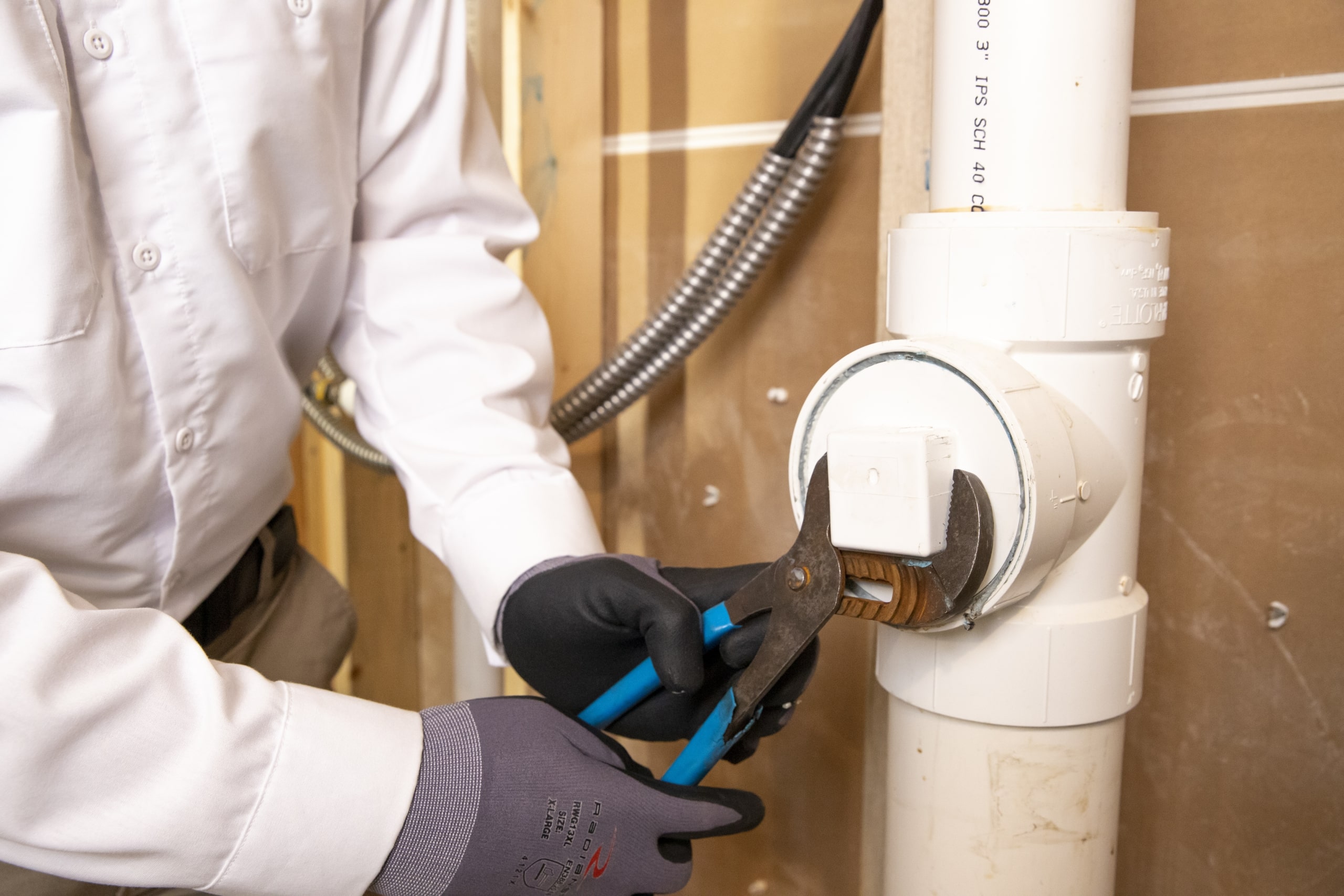
Sewer backup repair costs in Colorado vary widely based on the cause, location of the blockage, and whether the line needs cleaning, repair, or replacement.
A simple snake job to clear a single clog falls at one end of the range, while a full sewer line replacement with excavation falls at the other.
Sewage cleanup and restoration is a separate cost when a backup affects living areas. Final pricing always requires an on-site assessment.
A sewer camera inspection is recommended before any major repair to diagnose the underlying cause. Depth, soil conditions, and landscaping restoration are the biggest cost drivers when handling a sewer backup issue.
Who Is Responsible for a Sewer Backup:
Homeowner or City?

In most Colorado municipalities, the homeowner is responsible for the sewer lateral (the pipe from the home to the property line), while the city is responsible for the main sewer line beneath the street. If a backup originates in the city’s main, the city may share liability, but Colorado’s governmental immunity laws often limit recovery. Homeowners’ insurance with water backup coverage is typically the primary recovery path.
If you suspect the city main is the source of a backup, call your municipal public works emergency line immediately, save the report number, and document everything with photos and a sewer camera inspection.
Common Sewer Backup Responsibility Scenarios
| Situation | Responsibility Often Falls To |
|---|---|
| Tree roots in the homeowner’s sewer lateral | Homeowner |
| Grease or debris clog inside the lateral | Homeowner |
| Broken sewer lateral on private property | Homeowner |
| Blockage in the municipal sewer main | City or municipality |
| Heavy storm overwhelms public sewer system | Varies by municipality and circumstances |
| Failed sewage ejector pump | Homeowner |
Responsibility can vary by municipality, sewer ownership, and the specific circumstances involved. When in doubt, contact your local public works department and consult with a licensed sewer professional.
Does Homeowners Insurance Cover a Sewer Backup?

Standard homeowners insurance policies do not cover sewer backup damage. Most carriers offer this as a separate water backup endorsement (also called a sewer backup rider). [5] It’s important to note that the backup endorsement must be in place before a backup occurs, since carriers don’t backdate coverage.
What Is Water Backup Coverage?
Water backup coverage (also called a sewer backup rider, water backup insurance, or a sump pump and drain overflow endorsement) is an add-on to a homeowner’s policy that pays for damage caused by sewer or drain backups, filling the gap left by the standard policy exclusion.
Are Tree Roots in the Sewer Line Covered by Insurance?
Generally, no. Most water backup riders specifically exclude damage caused by tree roots in the sewer line. This is because root intrusion is considered a maintenance issue rather than a sudden event.
Some specialized service line coverage products do include root-related repairs to the sewer pipe itself, but the resulting water damage is typically excluded under the standard rider. Review your policy carefully and ask your agent specifically about root intrusion to ensure your home is covered.
Key Takeaways: Preventing and Responding to a Sewer Backup
A sewer backup can be an expensive and disruptive problem for homeowners, but they are often preventable with the right habits and equipment.
Daily habits and maintenance like controlling what goes down the drain, scheduling routine drain cleaning and sewer inspections, and installing protective equipment can help prevent backups from occurring.
Recognizing warning signs early (slow drains, gurgling toilets, sewer odors, water at the basement floor drain), and pairing that awareness with a water backup insurance rider helps to minimize damage and maximize insurance coverage if a sewer backup happens in your home.
If a backup is already in progress, stop using water, keep people away from contaminated areas, document the damage with photos, and call a licensed plumber. The faster you respond, the less damage and the stronger your insurance claim will be.
Sewer Back Up Prevention FAQs
- Why Is My Basement Floor Drain Backing Up?
- Why Is My Toilet Backing Up Into the Bathtub?
- Who Is Responsible for a Sewer Backup, the Homeowner or the City?
- How Do I Clean Up a Sewer Backup in the Basement?
- What Is Trenchless Pipe Lining and When Is It Needed?
- What Is the Difference Between a Sump Pump and an Ejector Pump?
- Can a Sewer Backup Make You Sick?