
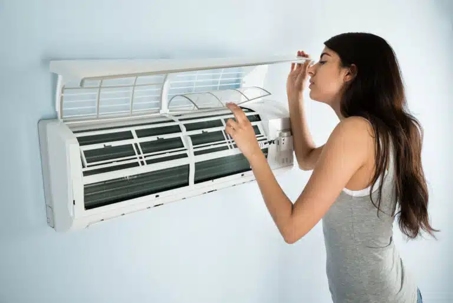
Living in Denver means dealing with some of the most unpredictable weather in the country. One day brings bright sun and dry air, while the next may deliver snow or sudden cold fronts. These dramatic temperature swings and unique climate patterns make choosing the right HVAC system a matter of lasting comfort—not just convenience. At Blue Sky Plumbing, Heating, Cooling & Electric, we have worked with Colorado families and businesses for generations, guiding them through the decisions that keep homes comfortable and efficient all year long. If you’re considering a new HVAC system, now is the time to look beyond generic solutions and find what truly works for Denver’s distinctive environment.
How Denver’s Climate Impacts HVAC System Choices and Home Comfort
The weather in Denver brings challenges and opportunities for heating and cooling. The city’s high elevation changes how HVAC systems operate by thinning the air and lowering oxygen levels, which can impact the efficiency of both heating and cooling appliances. When temperatures drop at night but bounce back by midday, your system must adapt quickly without wasting energy. Many national HVAC options do not account for these local conditions, leading to systems that underperform or cost more to maintain. In our climate, systems must provide steady performance during daily fluctuations and respond efficiently to changing needs.
Dry air is another signature of Colorado’s climate. Lower humidity in winter can make your home feel colder and lead to dry skin, sinus issues, and cracked wood or furniture. Traditional HVAC solutions may not address indoor air dryness, prompting more people to seek options with built-in humidity control. By integrating moisture management with heating and cooling, homes become more comfortable—and residents spend less on supplemental products and repairs. Air quality also matters, since seasonal wildfires and pollen can affect indoor health if not properly managed through filtration and circulation.
Denver’s altitude affects HVAC equipment sizing and operation. Systems rated for sea level often lose efficiency at higher elevations, and gas appliances in particular require careful adjustment. Failing to consider these factors can result in uneven heating, higher utility bills, or unexpected breakdowns. With over a century serving the Denver area, we know that the right HVAC system for our city must be adaptable, durable, and correctly configured from day one.
Best HVAC System Types for Denver’s Varying Weather
Forced air furnaces remain a common choice in Denver because they deliver quick, even heating and can pair with advanced air purification systems. High-efficiency condensing furnaces, especially those rated with an Annual Fuel Utilization Efficiency (AFUE) of 95% or greater, perform better in fluctuating temperatures and make the most of your energy investment. When older models begin to show their age, switching to a new, high-efficiency furnace often improves heating consistency and reduces runoff energy costs during the coldest months.
Heat pumps are becoming more popular in Colorado as technology advances. Modern cold-climate heat pumps can operate well even when Denver’s winter temperatures drop into the teens. Because these systems offer both heating and cooling, they simplify home comfort and deliver efficiency year-round. With proper installation and system zoning, heat pumps can balance daily temperature swings while managing energy use effectively. Homeowners weighing heat pumps should consider models designed specifically for high elevations and regional climate conditions.
Ductless mini splits offer targeted temperature control, making them a strong solution for homes without central ductwork or for additions, remodeled basements, and sunrooms. Mini splits enable precise management of comfort in individual rooms or zones—an advantage when Denver’s weather means one part of the home heats up or cools down faster than the rest. Historic Denver houses with radiators may still rely on boiler systems, which continue to perform reliably with routine maintenance and updated controls for modern comfort standards.
Why Altitude and Dry Air Matter When Choosing an HVAC System in Denver
High altitude changes the way heating and cooling systems function—even if the effects are invisible. For gas-powered appliances like furnaces and water heaters, less oxygen at elevation means a potential drop in efficiency. A system calibrated for sea level may lose up to 20% of its rated output in Denver, underdelivering on comfort and performance. When we recommend equipment to local families, we always verify that models are rated and adjusted for our thin air. This approach ensures equipment heats and cools efficiently while staying reliable over time.
Low indoor humidity is another factor Denver residents must keep front of mind. Without enough moisture, the home can feel colder than the thermostat reading suggests, and residents may encounter uncomfortable static shock, sinus irritation, or damage to wood floors and furniture. Adding whole-home humidifiers to an HVAC setup can offset these issues. With proper humidity management, you can maintain warmth at lower thermostat settings and avoid the discomfort and expense of dry indoor air.
Sizing and system selection play a major role in comfort. An HVAC unit that’s too large will frequently turn on and off (“short cycling”), leading to inconsistencies in temperature and increased wear. An undersized system may never reach the set temperature, forcing it to run continuously and driving up your energy use. Our process for designing new systems always starts with a detailed home assessment that takes into account your location, home layout, and personal comfort concerns—ensuring every system matches both climate and daily lifestyle.
Top Features Denver Homeowners Should Look for in HVAC Systems
Humidity control is essential when addressing Denver’s dry winters. Many modern systems offer integrated or add-on humidifiers that sustain healthy moisture levels and prevent the common problems associated with dry indoor air. A balanced humidity level helps you feel warmer, protects wood finishes, and supports better breathing—an especially important factor for families with asthma, allergies, or sensitive skin.
Improved air filtration has become an urgent priority for many Denver residents, as wildfire smoke, pollen, and dust can fluctuate rapidly. Advanced air filters like HEPA-grade filtration, UV light purification, and electronic air cleaners exceed the performance of traditional filters. These solutions help trap the fine particles often missed by standard systems, keeping your air cleaner through pollen seasons and smoke events. During installation or upgrades, we talk through air quality priorities with each family to create the most effective combination of comfort and health protection.
Temperature zoning and smart controls change the way you experience indoor comfort. Denver’s climate often leaves some parts of a home too cold in the morning but overheated in the afternoon. With zoning, heating or cooling can be directed only where needed. Smart thermostats add further control and energy savings, enabling you to adjust temperatures remotely, create schedules that fit your routine, and monitor usage for ongoing efficiency. These upgrades offer convenience and can stretch your budget over the long run by avoiding energy waste.
How to Choose an Energy-Efficient HVAC System in Denver
Investing in an energy-efficient HVAC system pays off quickly in Colorado’s climate. For heating, furnaces with AFUE ratings of 95% or higher minimize gas consumption and keep homes warm no matter how quickly the weather shifts. For cooling, look for air conditioners with SEER (Seasonal Energy Efficiency Ratio) ratings of 16 or higher. New-generation heat pumps, especially those labeled for cold climates, often surpass standard efficiency expectations and can provide both heating and cooling with lower utility costs.
Denver residents can also benefit from rebates and incentives that make high-efficiency upgrades more affordable. Energy providers such as Xcel Energy frequently offer rebates for qualifying installations—helping reduce upfront investment. We keep track of these offers and can help guide families and business owners through available programs tailored to the area so that you do not miss out on savings.
Efficiency is about more than equipment: it depends on professional installation, calibration, and ongoing maintenance. Ductwork that leaks, incorrectly sized systems, or hasty installations can undermine even the newest, most advanced units. That is why our approach begins with a full property review. With regular maintenance and education on best practices, homeowners in Denver see real cost reductions, reliable comfort, and improved air quality throughout the life of their system.
How to Maintain Your HVAC System for Reliable Comfort in Denver
Consistent maintenance is key to lasting HVAC performance in Denver’s changing weather and high elevation. Homeowners should follow a routine maintenance schedule that covers both the basics and the specifics of our region, such as:
- Changing or upgrading filters every one to three months, especially during wildfire season or heavy pollen months.
- Scheduling regular tune-ups in the spring and fall to test system performance and catch small concerns before they become larger problems.
- Maintaining optimal humidity using a whole-home humidifier, which should be inspected and cleaned as part of seasonal maintenance.
- Inspecting and sealing ductwork to stop energy loss and prevent dust or allergens from entering the airflow.
- Keeping outdoor units free from snow, leaves, and debris, and ensuring vents and coils are unobstructed all year round.
Some maintenance tasks, such as basic cleaning and filter changes, can be handled by homeowners. Other jobs—like burner inspection, verifying carbon monoxide safety, and adjusting controls for altitude—require professional tools and technical knowledge. Denver’s regulatory environment also changes from year to year, making it important to work with licensed teams that keep up-to-date on safety and disposal requirements for refrigerants and system components. Choosing local, skilled technicians reduces risks and keeps your system running at its peak season after season.
Proactive maintenance also preserves manufacturer warranties and extends system life—important benefits in a region where rapid temperature swings and elevation put extra demands on equipment. When choosing a service provider, look for systematic processes, clear checklists, and teams equipped to work with every aspect of modern and classic HVAC systems for Denver’s homes and businesses.